Paglalakbay ng Loob: Building Seafarer Wellbeing and Resilience While Apart

For Filipino seafarers, OFWs, and working professionals, wellbeing is rarely just an individual matter. At Narra Health, a mental health company in the Philippines, we provide holistic, preventative mental health support that meets people where they are, together with the people who matter most to them. This September, we partnered with Ventis Maritime Corporation for Paglalakbay ng Loob, or “journey of the inner self,” a workshop on building resilience while apart. It was a session on seafarer mental health for both sides of the seafaring life: the crew at sea and the families keeping home together.
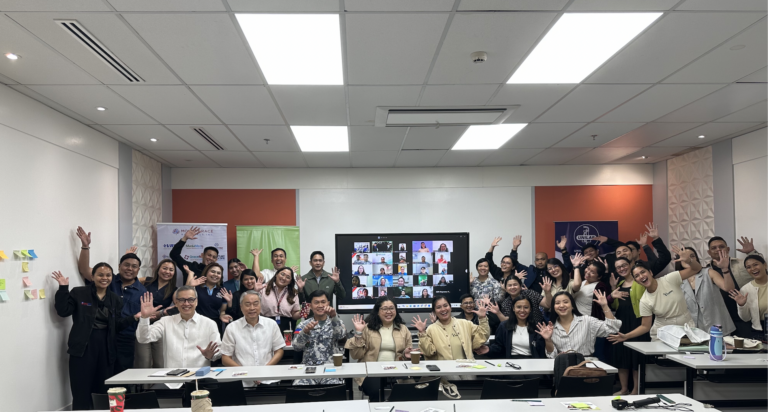
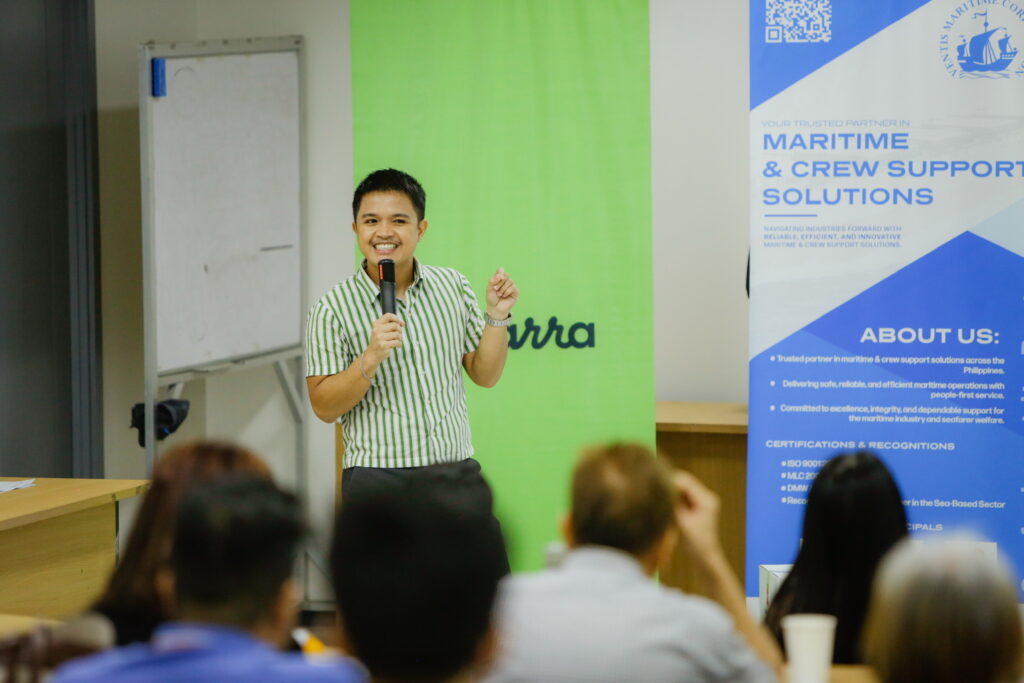
On September 19, 2026, we held Paglalakbay ng Loob at the Kline Building in Manila, a crew welfare program for crew members and their families. The session was facilitated by Jay Mark S. Cabrera, Psychologist, one of our dedicated Narra Buddies. Many of those in the room were wives of seafarers, the people who keep family life going while a loved one is at sea.

Seafarer Mental Health and Resilience While Apart
Distance affects everyone in a seafaring family, just in different ways. The seafarer lives far from family life, while the family learns to carry daily life without them. We opened the conversation on both sides of that experience: maintaining connection, coping with distance, and navigating transitions as a family.
Much of this centered on pangungulila, the deep longing felt for a loved one who is away. Rather than treating it as something to push through quietly, the session named it and made room for it, alongside the practical realities of adjusting to someone’s absence.
By the end of the session, participants’ understanding of resilience while apart nearly doubled, from 47% to 88%.
Families as Partners in Connection
When a seafarer is away, it is often their family, and many times their wife, who keeps routines going, manages things at home, and plans the small gatherings and moments that keep everyone close. They also find ways to make sure the seafarer still feels part of family life despite the distance.
So when Jay spoke about maintaining connection, creating family rituals, managing emotional distance, and carrying responsibilities while someone is away, none of it felt abstract. Participants recognized things they were already doing. The session treated families as active partners in staying connected and in seafarer wellbeing, not as people simply waiting for someone to come home.
What Makes a Home
We also asked a simple question: what does “home” mean when the people in it are miles apart? Rooting the topic in participants’ own experiences kept it personal, and the room had plenty to share.
One wife said that, as much as possible, trust should be the foundation of the family and the relationship. Her delivery drew laughter from everyone, but the point resonated with the whole room. When couples spend long periods apart, there is much they cannot directly see or control, so trust becomes part of what keeps a family feeling secure across the distance.

From Theory to Practice
The activities gave participants a playful way into a topic that can otherwise feel heavy. The “There’s No Place Like Home” energizer opened the topic, and there was a lot of energy in the room as participants swapped stories, asked each other where they were from, and bonded over being away from home.
In the Sense of Home group mural, participants drew a house and reflected on what home means to them. The answers were funny and spontaneous, and many carried real insight beneath the laughter.

Jay then guided participants through a Narra Fitness (our digital gym for your mind) activity, How Can We Create a Family Plan to Stay Connected While Apart? The discussion went beyond “stay connected” to things families can actually do: small rituals, voice notes, shared routines, and realistic expectations around communication. Participants’ confidence and their sense of having a practical strategy both nearly doubled, and this activity tied with the mural as the most-cited highlight of the day.

Throughout the session, participants were quick to react, joke, and share with one another. It felt less like a lecture on resilience and more like a group recognizing its own experiences, which made the space warm and validating.
Participants rated the workshop 4.80 out of 5 and Jay’s facilitation 4.84 out of 5, and 48 of 49 respondents said they would recommend it. Ninety percent left feeling motivated, inspired, or calm. As one participant wrote, “He’s a good speaker. Explains the topic very well. Motivates.”
At Narra Health, we believe mental health care should be preventative, holistic, and culturally relevant, and that seafarer mental health care should reach the whole family, not just the one who travels. Seafarers carry their families with them wherever they sail, and their families carry them at home. Helping both sides stay connected is at the heart of what we do for seafarer wellbeing. If your organization is looking to strengthen crew welfare and support the wellbeing of your seafarers, OFWs, and their families, we’d love to hear from you at [email protected].